 EN
EN

A brief overview of the European migration policy: part 1
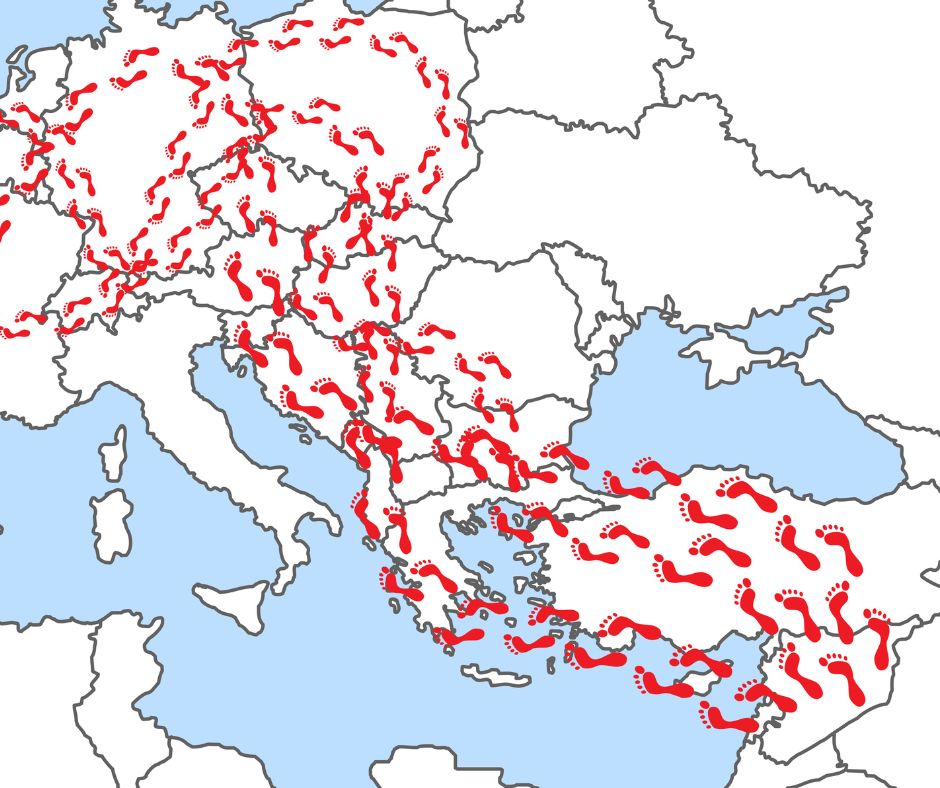
We turn on the news or the radio, we read the newspaper, we open Twitter, facebook. The concept of “migration crisis” is everywhere. The words “migrant”, “immigrant”, “refugee” and a long “etcetera” fly all around. We hear and read opinions and try to form our own, but sometimes it is not easy without understanding the clear meaning of these concepts. The differences among them are tricky and the European migration policy is somewhat unclear since it has suffered many changes in an attempt to adapt itself to the fickle circumstances.
The first thing that needs clarification is the difference between “migrant” and “immigrant” since both terms are widely used. The general and correct term to refer to someone that is moving from one country to another is “migrant”. “Immigrant” is used from the perspective of the people of the receiving country, while “emigrant” will be from the perspective of the origin. This is why sometimes, even though it is supposed to be a neutral term, “immigrant” is used with a negative or derogatory tone by some not-that-welcoming people from the receiving countries to point out the fact that migrants are foreigners, strangers or outsiders arriving to a “land that is not theirs”.
The truth is that the word “migrant” describes any person that moves their residence to a different country, for any reason. Depending on these reasons, migrants are designated one way or another. For example, a skilled migrant would be one with high qualifications that usually changes residences voluntarily to look for a better job and/or conditions. They can also be referred to as economic migrants, since they move because of economic reasons. They usually have an advantage in entering and integrating into the receiving country over other types of migrants, since they leave of their own free will, they choose where to go and they usually do so when they have all their papers in order.
This leads us to those migrants who leave their home country not voluntarily. This occurs on the grounds of certain situations going on in their country putting them in danger because of their ethnicity, religion, nationality, belonging to a determined social group or political opinions. It can also be because of war or natural disasters. These circumstances are the ones that make these people be considered refugees. However, in most the cases, the existence of the situations mentioned above must be proved to be able to achieve the status of refugee, which comes with legal protection from the receiving country. To some determined groups, this status is granted automatically, like it is happening for example in Spain, among other countries, with the Ukraine refugees. Right now they don’t have to prove the danger they would face if they came back to their country, they don’t have to solicit asylum to be able to stay and they are granted authorization for residence and work permit.
But this case is one of the few exceptions. Generally, the process to be able to achieve this protection is long and harsh (even though the existence of these dangerous situations in other countries is as real and clear as the Russia-Ukraine war). That is why the migrants that are leaving their country for these reasons but still have not achieved refugee status are called asylum seekers: they are trying to earn this legal protection. The problem is that the national authorities and the European Union do not give enough solutions or ways for these people to move in a regulated manner, and the extreme circumstances in their home country impulse most of them to leave as soon as possible, making them move around without complying with the legal requirements. This makes them irregular migrants. The European Commission defines irregular migration as “the movement of persons to a new place of residence or transit that takes place outside the regulatory norms of the sending, transit and receiving countries”. This is why some people tend to call this group “illegal immigrants”, which is not correct, since a person itself can never be illegal per se.
In part 2 of this article, we will briefly explore the European migration policy and the management of irregular immigration.
➡This article was written in the context of our participation in the "Questioning Migrations" project, which is the project of Key Action 2 and is co-financed by Erasmus+ of the European Union. The organizations Hellenic Youth Participation (GR), E-graine (FR), Babele odv (IT), SOS Racismo (ES) and Coconut Work Luxembourg (LUX) collaborate for the project.
Share