 EN

A brief overview of the European migration policy: part 2
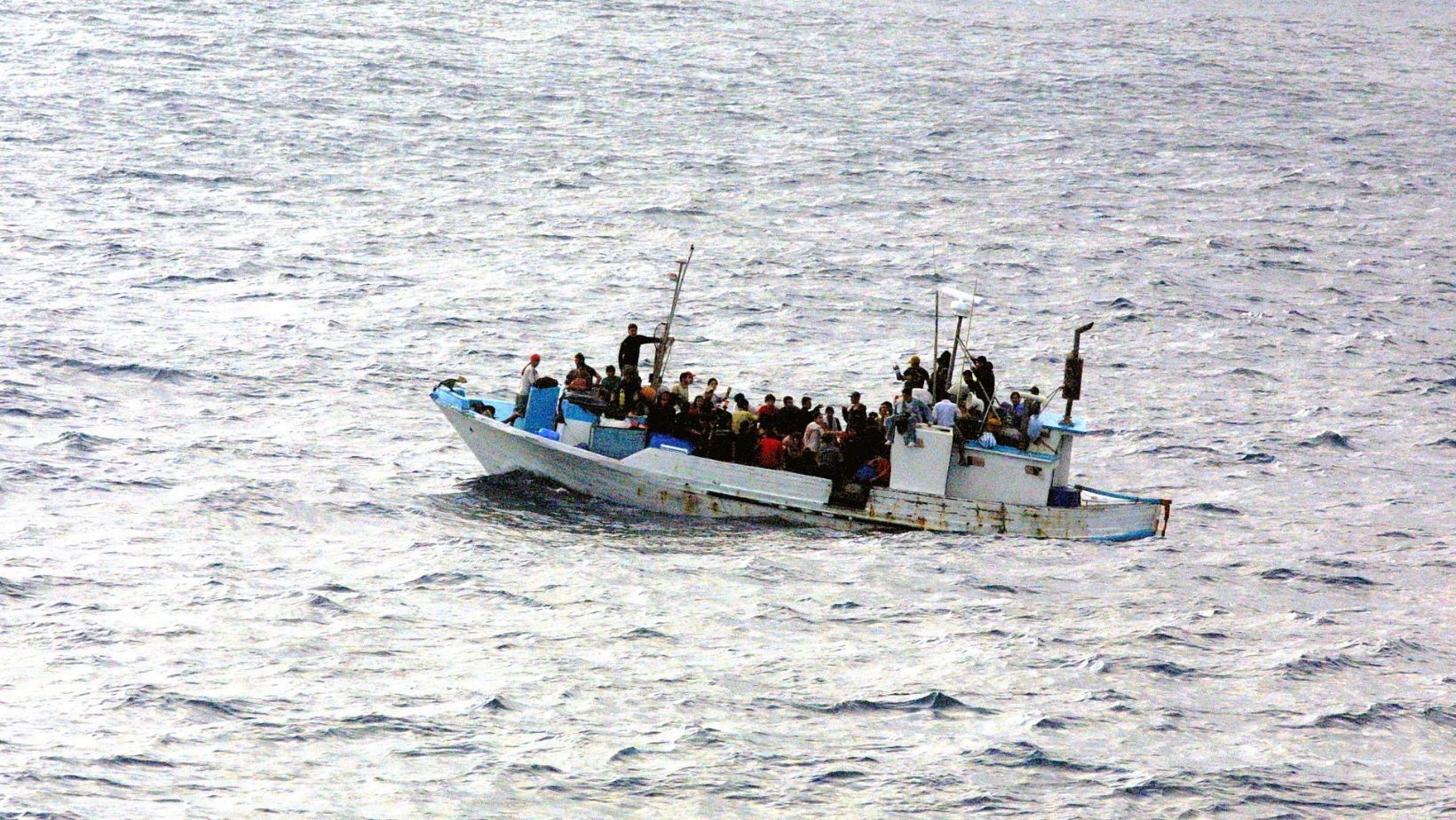
The management of irregular immigration – a concept explained in the part 1 of this article – is partly in the hands of the national authorities and partly in the hands of the EU, having also into account that some other guidelines from international law must be followed too. One of the European agencies in control of this area is the Frontex, the European Border and Coast Guard Agency. This body is focused on the protection and administration of the external borders of the Schengen area, which means that it is supposed to patrol and guard the borders, respecting the migration law and human rights and it has to give assistance to those who need it. This, unfortunately, is not always true. National authorities have a tendency of not to respect one of the main international principles regarding migration: the non-refoulment principle. This entails the prohibition of returning asylum seekers to their home country in which dangerous situations are occurring. This repatriation in the borders without respecting the right of the people to seek legal protection is called pushback and it is not allowed according to international law. Frontex is supposed to avoid these situations and denounce national authorities when they do not comply with the law.
The truth is that right now, mostly after the 2015 migration crisis, we see many cases in which Frontex has been accused by several NGOs of being complicit with the pushbacks, since they state that, instead of dedicating themselves to the rescuing of migrants coming mostly by sea, they leave the management to the national authorities, which many times end up recurring to this practice. Pushbacks not only damage human rights in the means that they affect the right to be heard and seek asylum, but they usually imply violence, humiliation and brutality from the security forces. Sometimes it even comes to the death of many of those who try to enter, just escaping from the situation of their home country. This is why the actions of the national authorities and the inactivity Frontex is accused of, are very serious matters.
Moreover, the regulation of smuggling as human trafficking has been used as an excuse to convict the rescue of migrants at the sea, even if it is not done by smugglers. Some of you have probably heard about Seán Binder and Sarah Mardini: two volunteers currently on trial because of saving people’s lives at the sea. These two activists joined rescue boats with the NGO that they volunteered for to give assistance to refugees coming to the shores of Lesvos, Greece - one of the most common but deadly routes that migrants take to arrive in Europe. They saved many lives in this way, but the authorities are accusing them of human trafficking among other crimes, because in a way they are “smuggling” people to the Greek shore. They could be facing 25 years in prison because of this, and they are not the only ones accused of this type of crime since there are similar processes open in other countries like Spain, France, Italy or Switzerland.
The problem is that the European legislation in this matter is too broad (and old). There is a European directive from 2002 that covers the topic of helping irregular migrants to enter a territory, but it leaves to the national authorities the decision of sanctioning it when it is because of humanitarian reasons. Because irregular migration is like a hot potato that no one wants to hold for too long, countries usually decide to sanction it to dissuade their nationals from helping migrants and to dissuade migrants to try getting in their territory. The problem still exists but everybody is trying to leave the management of it to others. In general, this is the main conflict when it comes to irregular migration: no one wants to deal with it, so everybody tries to pass the load on to others.
The truth is that irregular migration is something that needs to be faced; the reality of people escaping a dangerous situation is something that should not be ignored. As a society, we keep watching them drown and we just look away or try to make it somebody else’s problem. We have come to the point of sanctioning and punishing solidarity instead of promoting it. We hear hate speeches every day against people that are only desperate, criticizing the same that we would do if we were in their position. This needs to change and the first step is seeing them as what they are: humans. Compassion needs to prime over anything else in every life aspect: the way we talk, the way we act and the way we legislate.
➡This article was written in the context of our participation in the "Questioning Migrations" project, which is the project of Key Action 2 and is co-financed by Erasmus+ of the European Union. The organizations Hellenic Youth Participation (GR), E-graine (FR), Babele odv (IT), SOS Racismo (ES) and Coconut Work Luxembourg (LUX) collaborate for the project.
Share