 EN

M+: Promoting Mental Wellbeing among Educators
Ηellenic Youth Participation is a partner of the project "M+: Promoting Mental Wellbeing among Educators" which aims to bring together European NGOs to collaborate in the health field of adult educators by analyzing existing policies and good practices at EU level and the countries involved, developing a holistic training program focusing on self-care tools and creating an action plan to promote mental health from a long-term and sustainable perspective.
We conducted a small-scale questionnaire survey to create a network of people working in education who are interested in participating in a Focus Group, focusing on the mental health and well-being of teachers and exploring the main challenges they face in their work environment. Regarding the demographics of the survey, 40 female workers in the field of education participated, coming from 6 different parts of mainland and island Greece, aged 20-60. Of the participants, 19 work in primary education, 14 in secondary education and 7 in adult education.
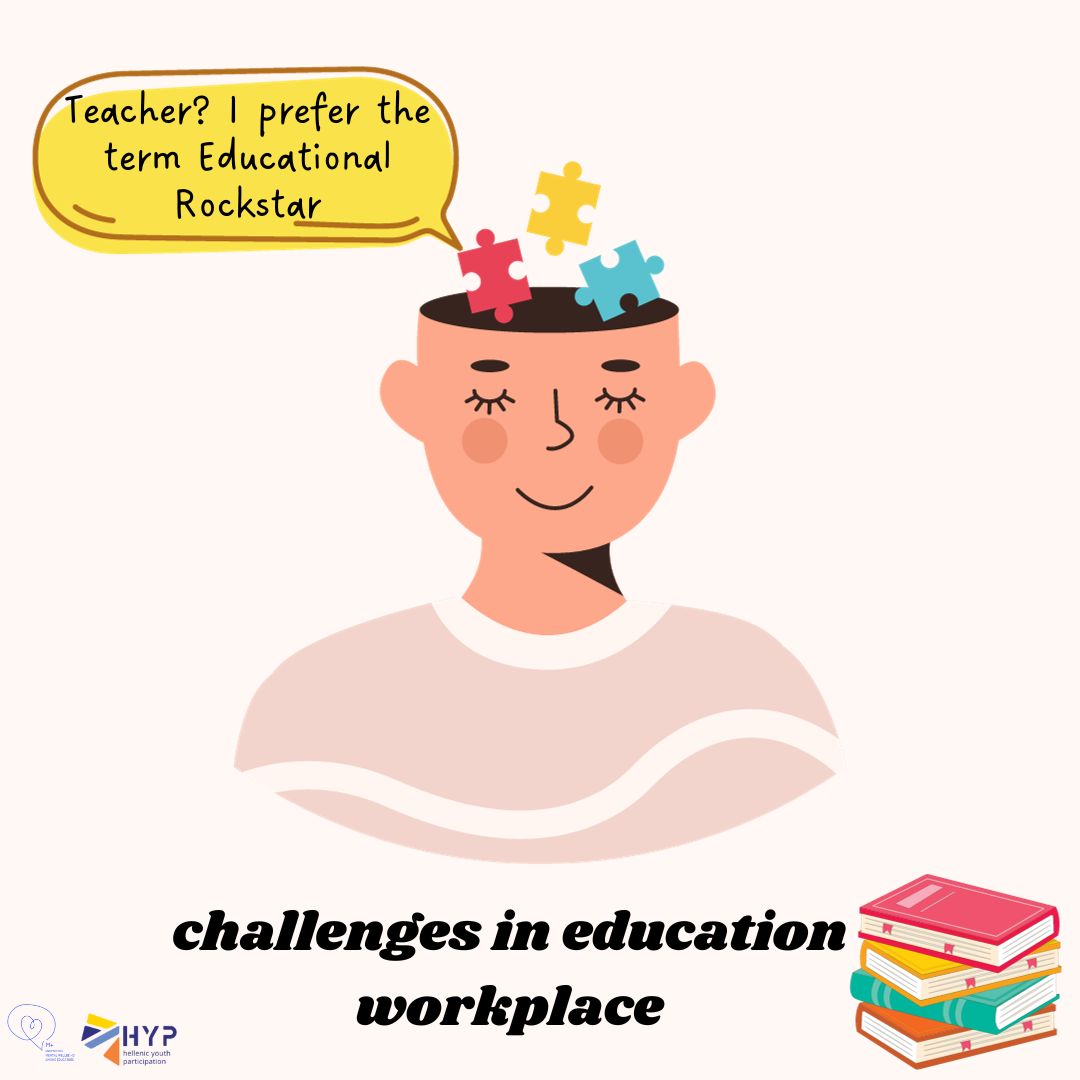
We've listed the key challenges teachers face in the workplace that impact their mental well-being, according to research. It is found that 77.5% of teachers face the challenge of individualized student needs, 47.5% face the constant need to upgrade technology skills, and 25% report being affected by the size of the curriculum and the lack of support from the part administration and management sector. Also, a popular response was the lack of sufficient preparation time for the lesson (22,5%). Regarding the opinion that the work environment affects mental health, 80% answered positively, while only 5% answered negatively. Another factor examined in the survey was teachers' intention to share the problems they face in the workplace with familiar persons. Participants reported that they discuss job issues, that affect them, with a colleague (57.5%), with the director of the educational institution (15%), with the psychologist of the educational institution (10%), with friends and family (10%).
By asking the participants about the key topics they would like to be discussed in the focus group, you can see below some of the suggestions they made:
Limiting the influence of work problems on family and personal life.
“How not to transfer the mental burden of work problems at home”
“Everything that happens at school (mainly bad) worries me all day long!”
“Crisis management. How to leave the problems of work outside the home”
“How do we manage not to absorb the problems of children and work like a sponge.”
The phenomenon of work burnout
“How will I manage to respond to everything they ask of me when objectively there is no time and possibility to do them.”
“Feelings of inadequacy (not providing enough help to children/adults who need it) and failure”
“There should be motivation and reward for the teacher for his effort to cope with the demands he faces.”
The need for mental resilience
“The mental resilience needed when teaching in a multicultural classroom and the lack of support from mental health professionals in the workplace.”
“To look for ways and techniques to become efficient in our work without constantly feeling that we are not keeping up. And let there be joy and creativity in our work.”
“It would be very useful for me to create and animate teacher groups at regular intervals.”
Through this project we hope to create a network of education professionals, with the aim of developing tools and good practices to promote mental well-being in the field of education.
Share