 EN
EN

Fifth Training Hate Trackers - Into Action - Trainers Edition
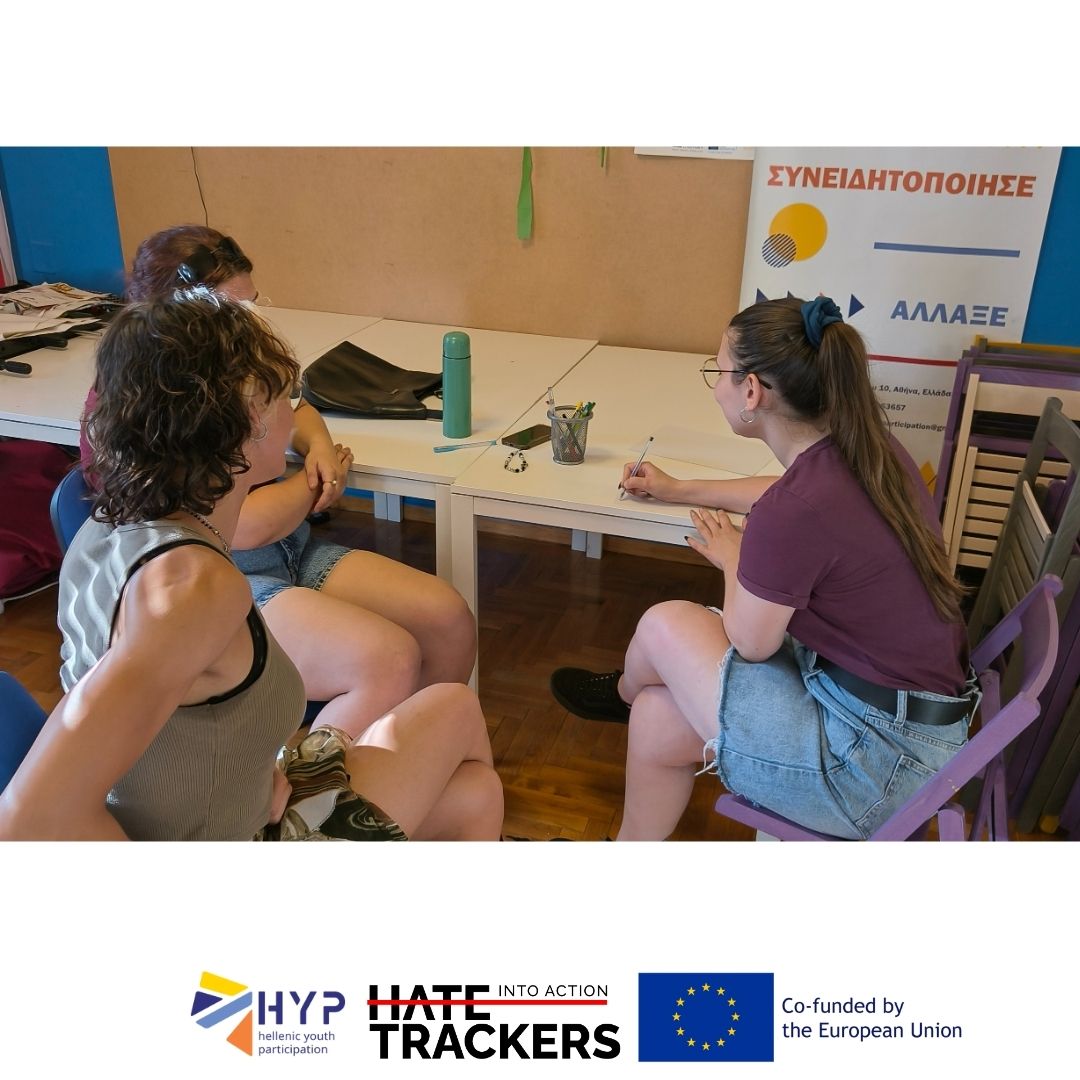
Deconstructing hate speech is one of the main objectives of the "Hate Trackers - Trainers Edition" training.
Hate speech is based on stereotypes, prejudices and deliberately distorted perceptions that incite discrimination and division.
In our fifth meeting, we focused on strategies we can implement to effectively counter it. The first step is recognition: identifying the language and tactics used to spread hate. Then, through critical thinking, we deconstruct arguments, exposing inaccuracies and lack of logic.
We are trained to use non-aggressive language to respond calmly, avoiding polarization. We emphasized promoting empathy and education to inspire positive change.
Deconstructing hate speech is not just a denial of hate speech, but also an active defense of equality and dignity for all. As a group, we are committed to being beacons of change, investing in understanding and collaboration for a world without hate.
The 8 key points that are essential components of a hate speech message:
Intent, whether the expression encourages hate (explicitly or not, intentionally or not), whether it promotes a call to violent action, or whether it hurts (emotionally or physically) an individual or group.
Audience, who is the author addressing? It may include readers of a newspaper, supporters of a political group, followers of the author's social media, etc,
Author, who is the author of the content and what power does this person have? The same expression can have a significantly different impact when disseminated by a public figure.
Tone, the manner or style in which an expression is made. Some expressions of hate are more extreme, however, tone must be analysed taking into account other indicators, e.g. intent and authors: some expressions may be more damaging precisely because they use more measured language to smooth out bias,
Context, the historical, geographical and cultural conditions surrounding an expression,
Medium, includes the medium used (a newspaper, a radio, a conference) and its distribution (local/national/international, mainly online/offline, etc.),
Target group, some groups or individuals may be more vulnerable than others. The same expression may have different implications depending on the targets (e.g. "politicians are thieves" versus "Jews are thieves"),
Impact, actual or potential on individuals, groups or society as a whole, as a result of all of the above elements.
The Hate Trackers - Into Action project is co-funded by the European Union.
Share